
Alzheimer’s disease remains one of the most devastating and elusive neurological conditions of our time. But thanks to the groundbreaking work of Dr. Thomas K. Karikari, a Ghanaian neuroscientist at the University of Pittsburgh, the global scientific community is finally inching closer to a future where Alzheimer’s can be detected early—long before symptoms appear—through something as simple as a blood test.
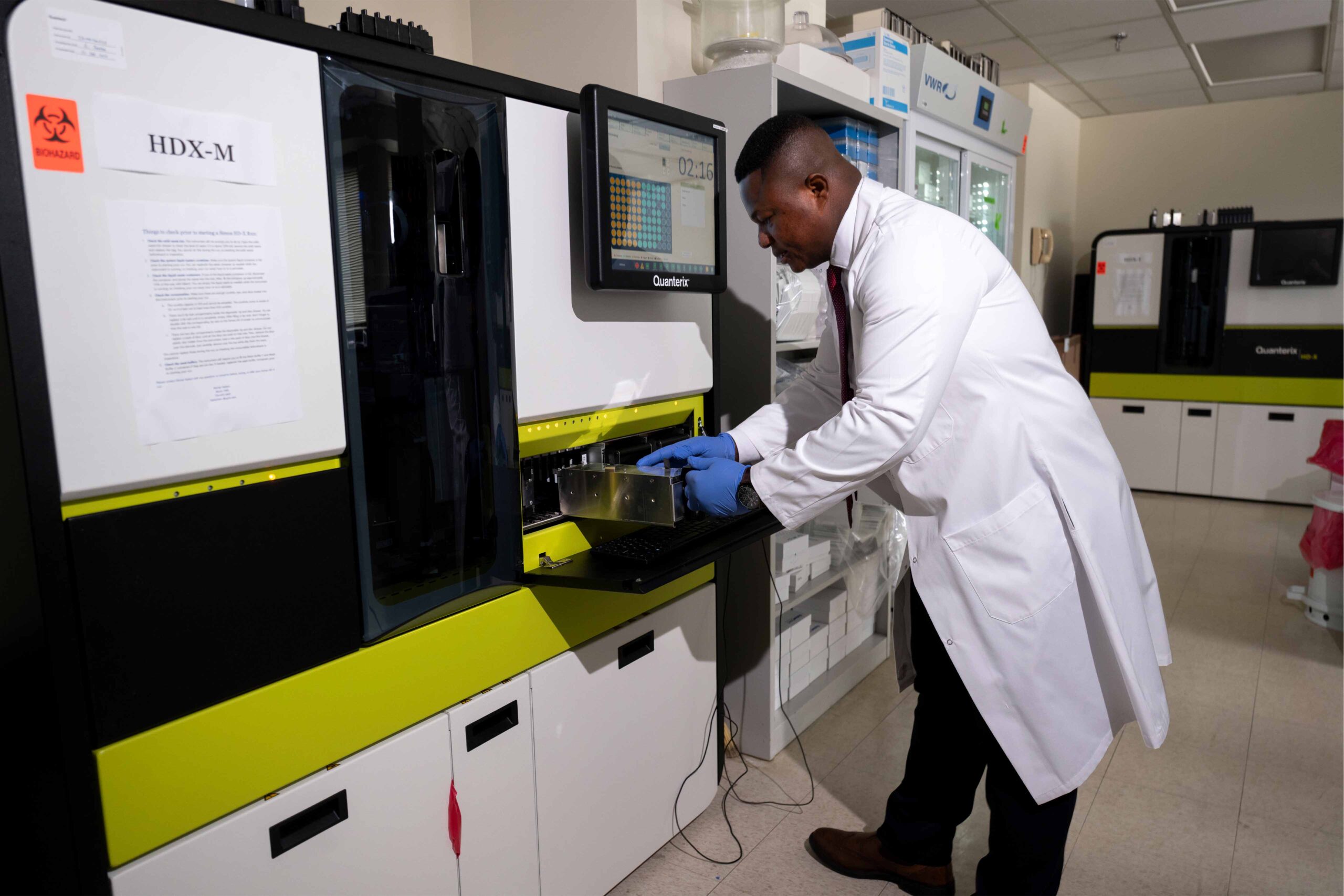
For decades, diagnosing Alzheimer’s required invasive procedures such as spinal taps or expensive brain scans. These tests are often inaccessible in many regions of the world, especially in low-resource communities. But Dr. Karikari’s mission has always been bigger than scientific discovery—he wants diagnostics to reach everyone, including people in places like his home village of Manfo in Ghana.
Cracking the Code of Tau Proteins
Alzheimer’s disease is marked by tangled tau proteins inside the brain. Traditionally, these tangled proteins were detected through cerebrospinal fluid, not blood—leading many researchers to believe blood-based tests were impossible. But Dr. Karikari challenged that assumption.
As a postdoctoral researcher at the University of Gothenburg, he and his team uncovered a turning point:
The part of the tau protein that reliably appears in blood is its left-end section, not the middle portion that most tests were targeting.
This insight allowed him to develop specialized antibodies that bind to that segment—what he describes as a moment of “cracking the code.”
The result?
A highly accurate blood test capable of detecting p-tau181, a key biomarker for Alzheimer’s, with over 82% accuracy.
Since then, Dr. Karikari has created multiple tests, including advanced ones that detect p-tau217, another powerful early indicator of Alzheimer’s disease.
Making Alzheimer’s Testing Accessible Worldwide
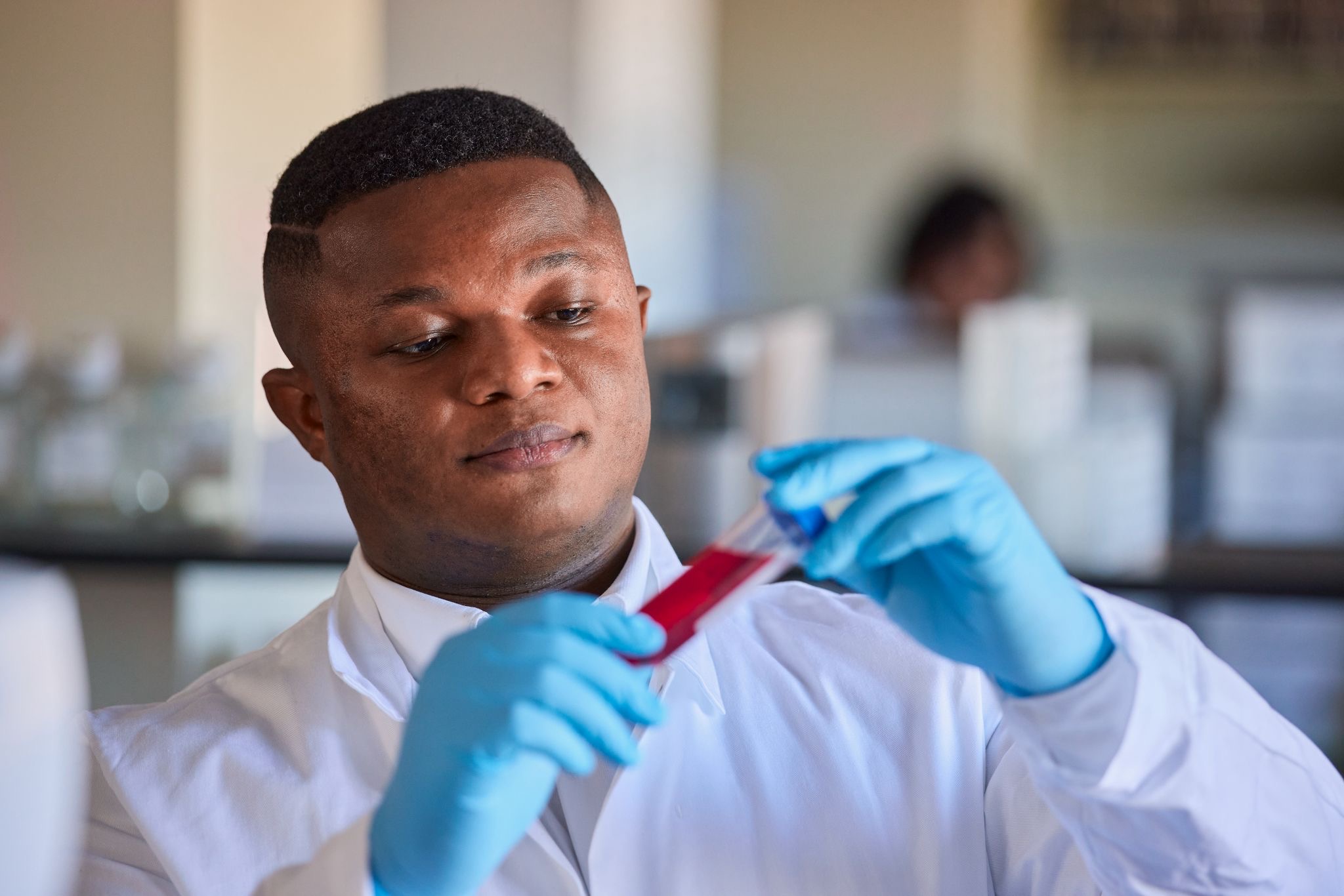
While these blood tests mark a major leap forward, Dr. Karikari is deeply aware of the challenges in global health access.
Blood samples for Alzheimer’s tests normally require refrigeration and specialized labs—conditions not available in many rural or low-income regions. So his team got to work again.
They developed:
✔️ A “remote-friendly” blood collection tube
– Stores blood safely for up to 96 hours at room temperature.
✔️ A test requiring smaller blood samples
– More suitable for remote screening, especially in areas with limited resources.
✔️ A blood test specific to brain-derived tau
– Helps reduce false positives from tau produced in other organs such as the liver or kidneys.
For Dr. Karikari, success isn’t complete until these tools reach communities like the one he grew up in.
“I will feel most accomplished when all that we are doing gets to reach my village,” he says.
A Vision That Could Transform Global Alzheimer’s Care
Early detection is the key to slowing Alzheimer’s progression, starting treatment earlier, and planning care more effectively. Dr. Karikari’s innovations could reshape how the world approaches dementia:
Earlier diagnosis—up to 20 years before symptoms emerge
Less invasive testing
More affordable screening
Improved global health equity
His work bridges top-tier scientific research with a deep humanitarian commitment—a rare combination that positions him as one of the most influential young neuroscientists shaping the future of dementia care.
Why Dr. Karikari's Work Matters
Alzheimer’s affects millions globally and is rising with aging populations.
Current diagnostic tools are too costly, complex, and inaccessible for many nations.
Blood-based biomarkers represent the next frontier in scalable, global-impact health solutions.
Dr. Karikari isn’t just advancing science—he’s championing accessibility, equity, and innovation.
Credit : Nature
